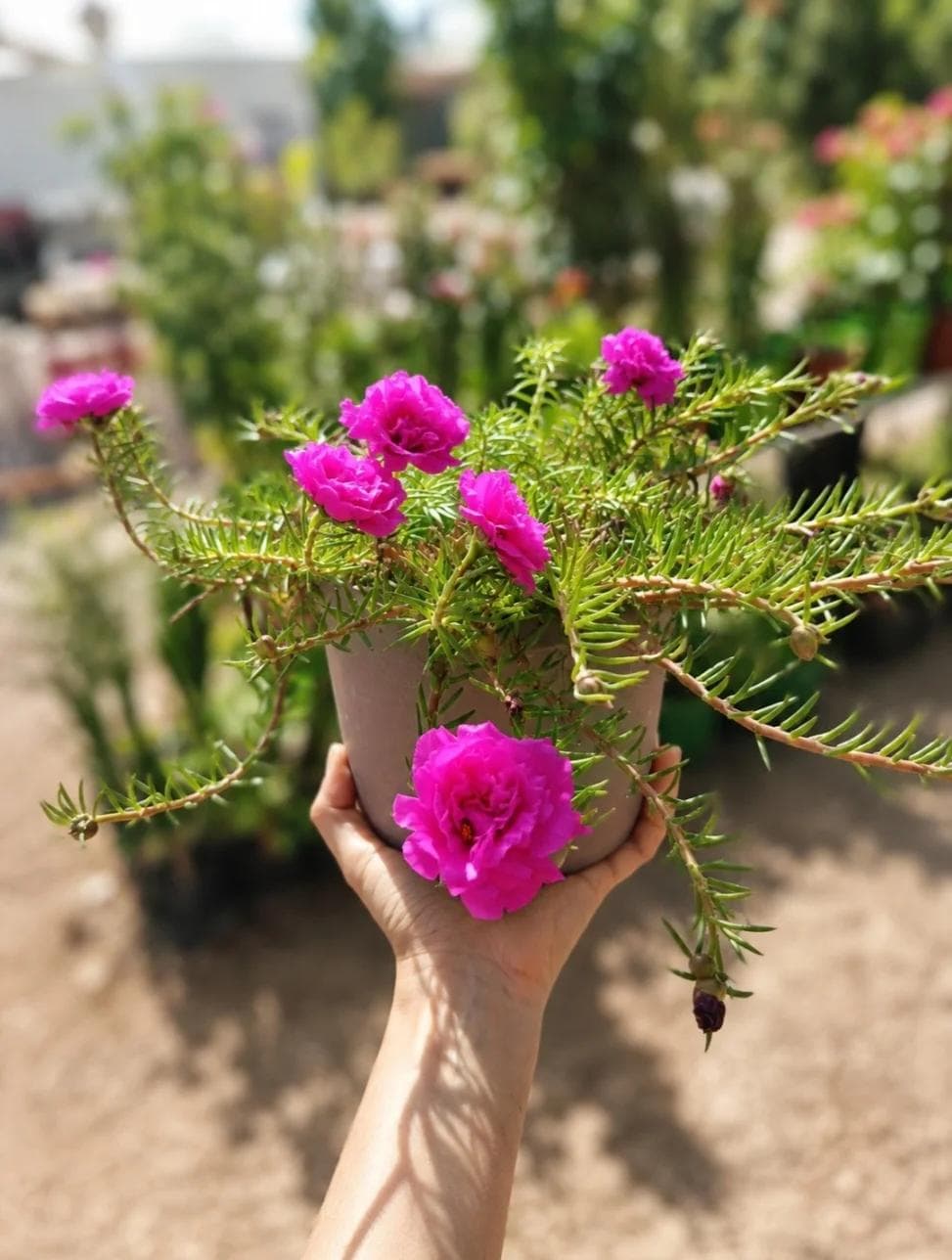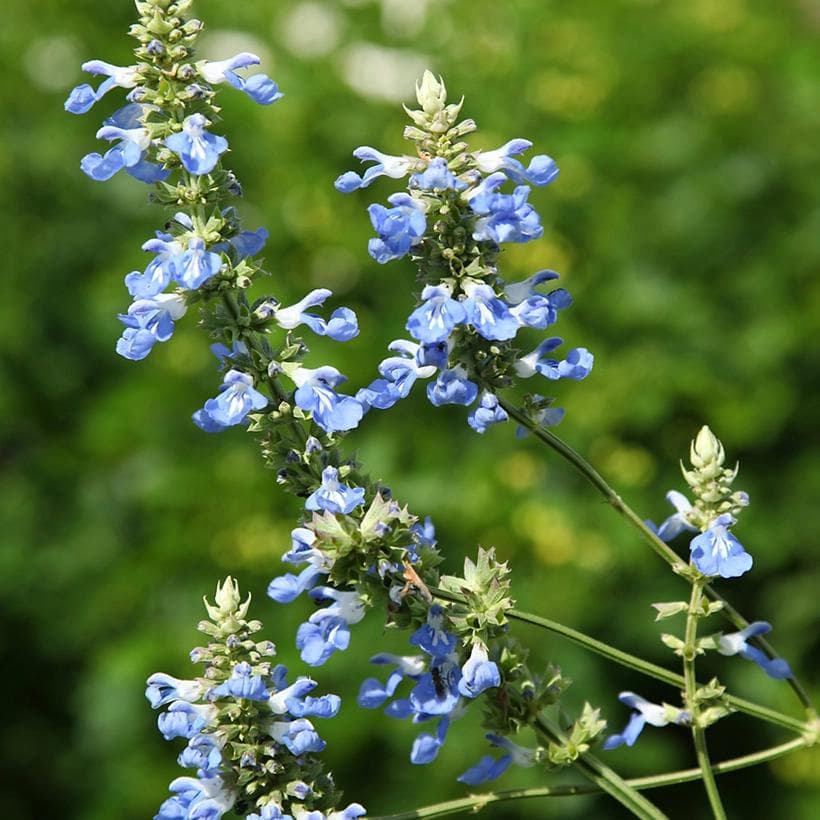
Origin
South America
Light
Full sun
Watering
Weekly
Care
Easy
Flowering
Flowering
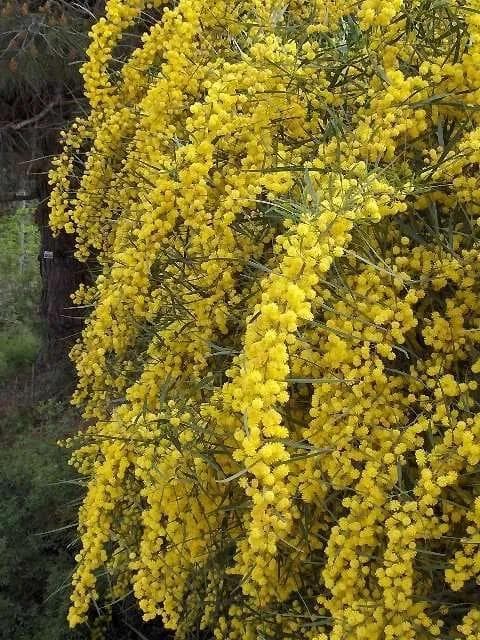
Bright yellow pompoms in spring over weeping grey-green foliage — the tree that holds the dunes.
A guide to ensuring your botanical companion thrives.
Australia
Full sun
Rarely
Easy
From south-western Australia, it was planted heavily along North African coasts to fix dunes and slow the advance of sand.
What look like its leaves are phyllodes: flattened, widened leaf stalks that turn their edge to the midday sun and so lose far less water than a true leaf.
"Not leaves at all, but flattened stems."
Stabilising sandy ground
Its dense, shallow root system makes it an excellent dune or bank stabiliser.
Mind its spread
It self-seeds abundantly and can colonise open ground: watch for volunteer seedlings around the base.
Short life, light pruning
It lives about twenty years: prune lightly, thin out deadwood, and plan to replace it after two decades.
More botanical treasures to discover.